independent research into listed companies in conflict-affected and high-risk areas
Pulse - Human Rights Due Diligence

Insufficient insight into human rights violations
Institutional investors and pension funds are bound by, and have committed themselves to, the OECD Guidelines and the UN Guiding Principles. They therefore want to know whether the companies they invest in are involved in human rights violations — particularly in conflict-affected and high-risk areas.
The data is disappearing
Major data providers have scaled back or discontinued their reporting on sensitive files. The compliance obligation remains; the reliable data does not.
While the need keeps growing
Financial institutions are legally committed to due diligence on human rights violations. Regulators, partners and society actively hold them to it.
.jpg)
Meet Pulse
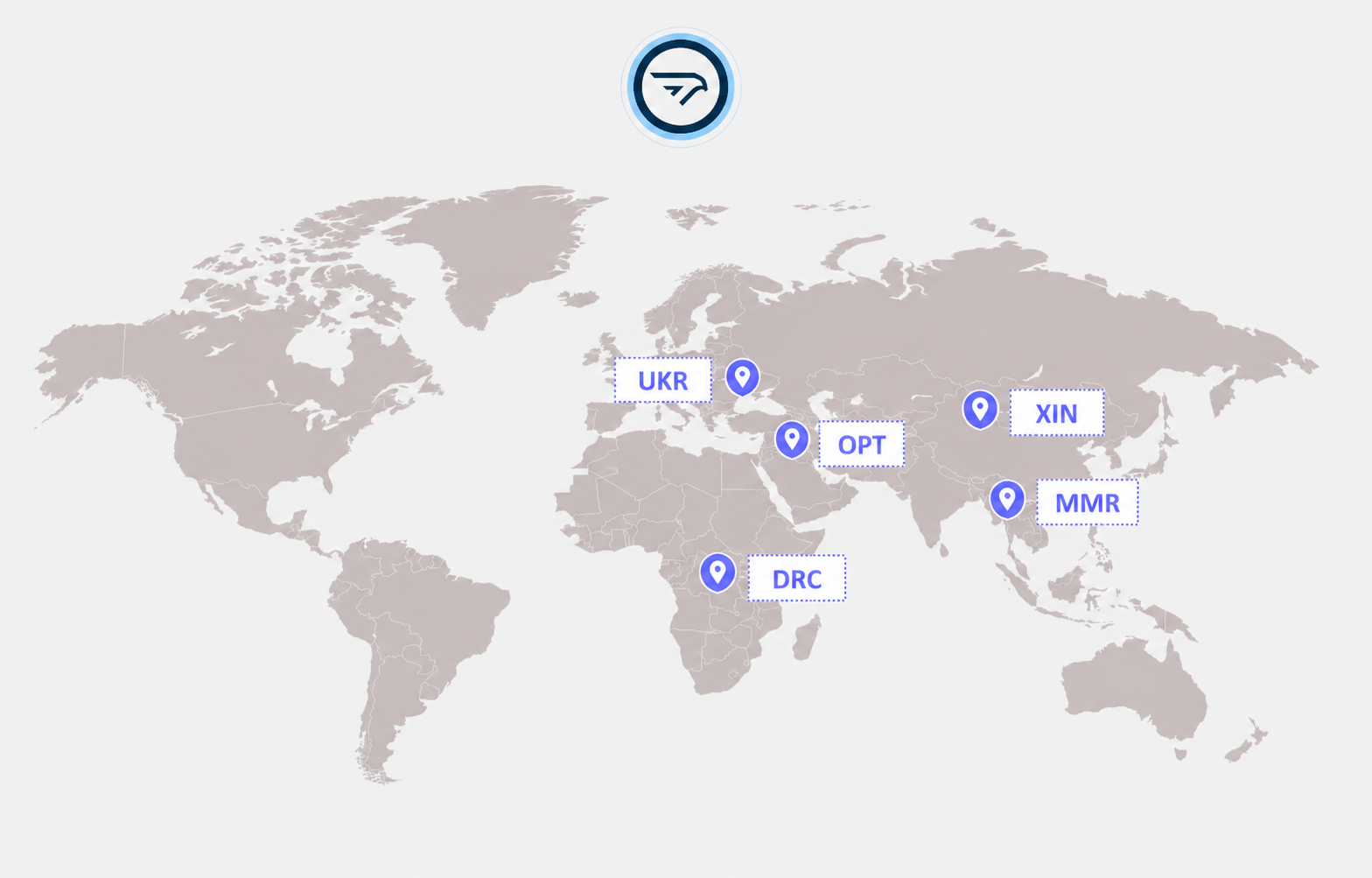
Regional modules for conflict-affected and high-risk areas
Pulse is built from regional modules, each focused on a specific conflict-affected or high-risk area. The first module is operational. Additional modules for other regions are in development, allowing investors to extend their due diligence coverage as the platform grows.
Each module gives access to a database of entities and allegations, with underlying due diligence reports that provide full transparency on methodology, evidence and sources.
Your data is in safe hands
ISO 27001 certified

Data stored in the EU

Licensed private investigation agency, Dutch Ministry of Justice and Security
Research by people, not algorithms

Human expertise

In-depth access

Grounded in allegations
Assessment of human rights controversies
Deliverables
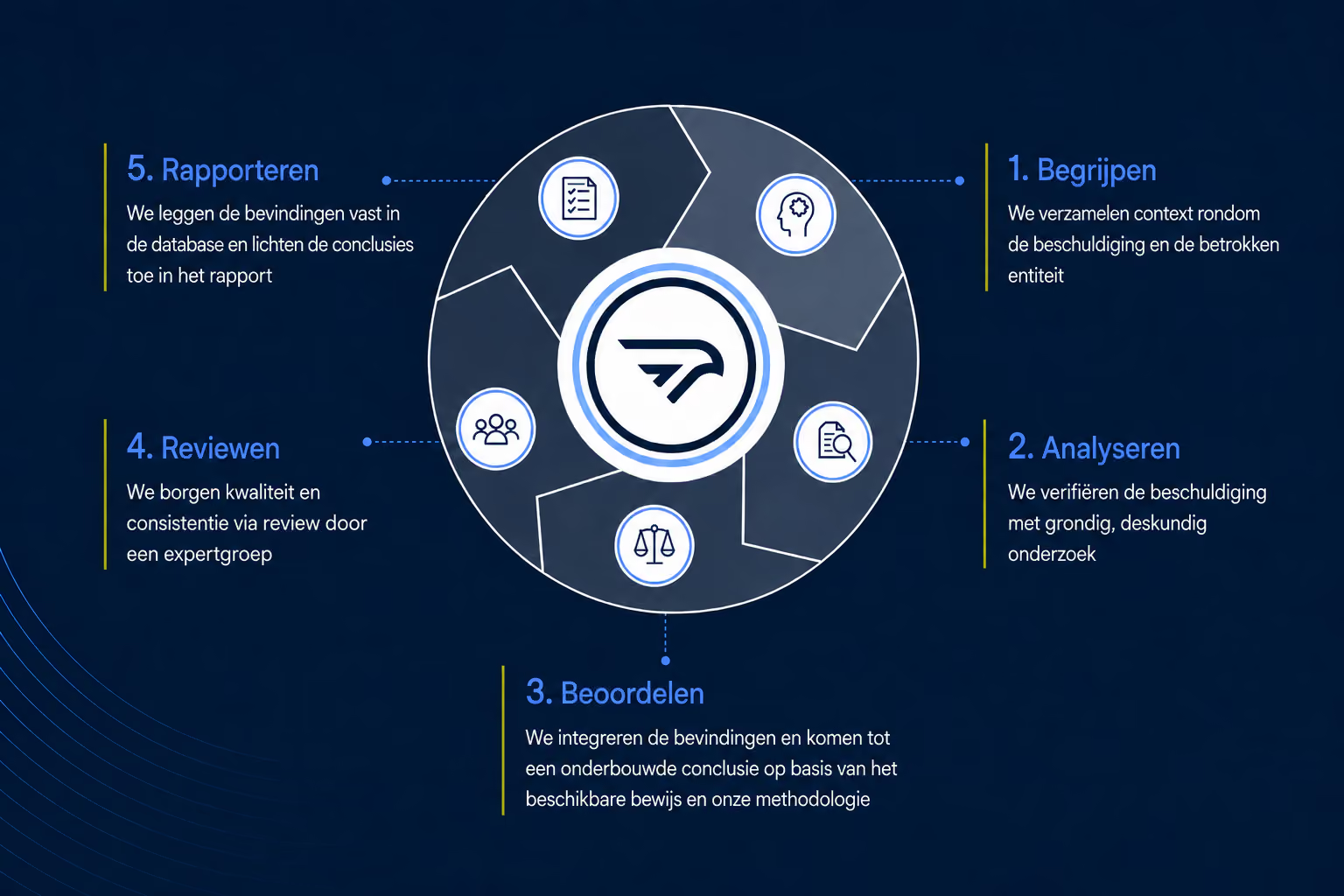
Each module delivers a complete set of research results: from a searchable database to fully substantiated reports for each allegation.
Deliverables
Each module delivers a complete set of research results: from a searchable database to fully substantiated reports for each allegation.
Database
Intake
Database
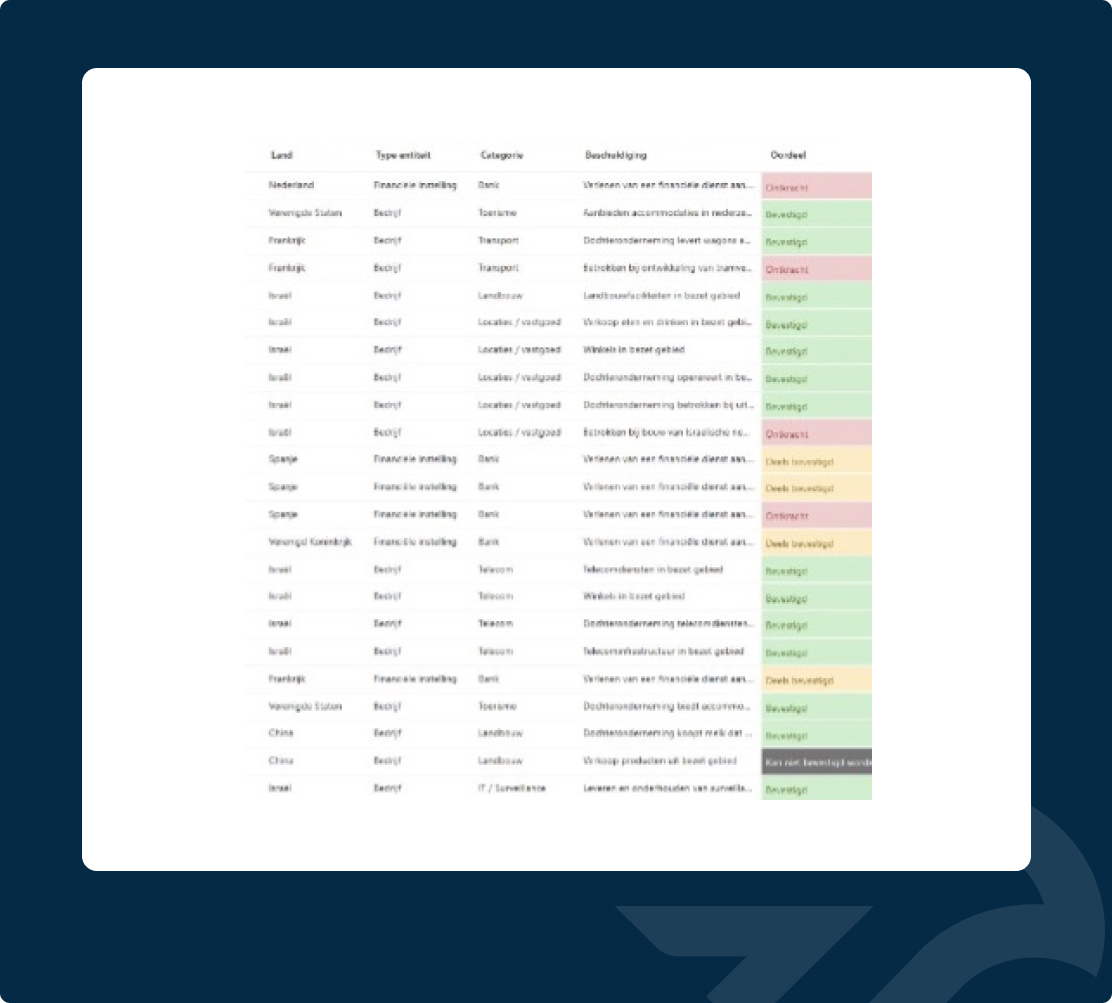
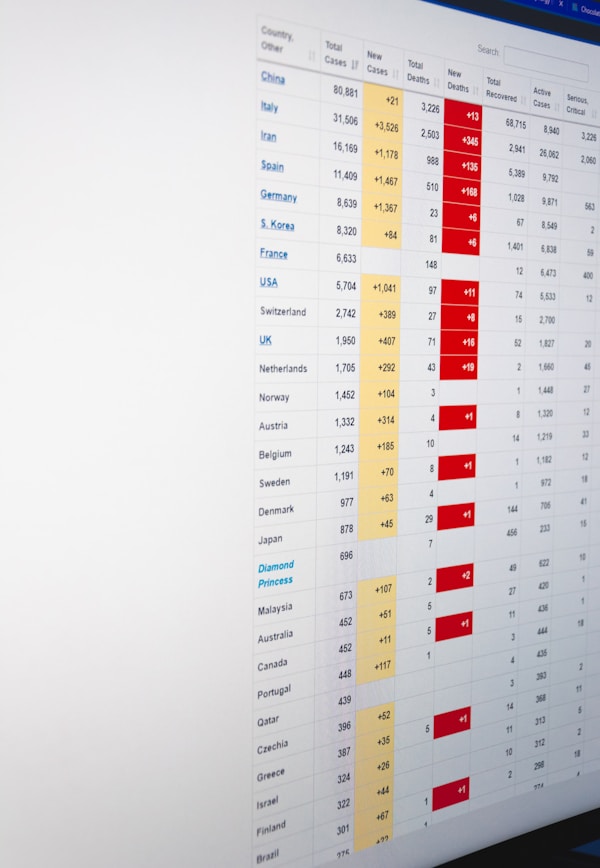
All allegations in one overview. Entities and allegations by region, filterable by sector, country and type of allegation.
Scan
Reporting
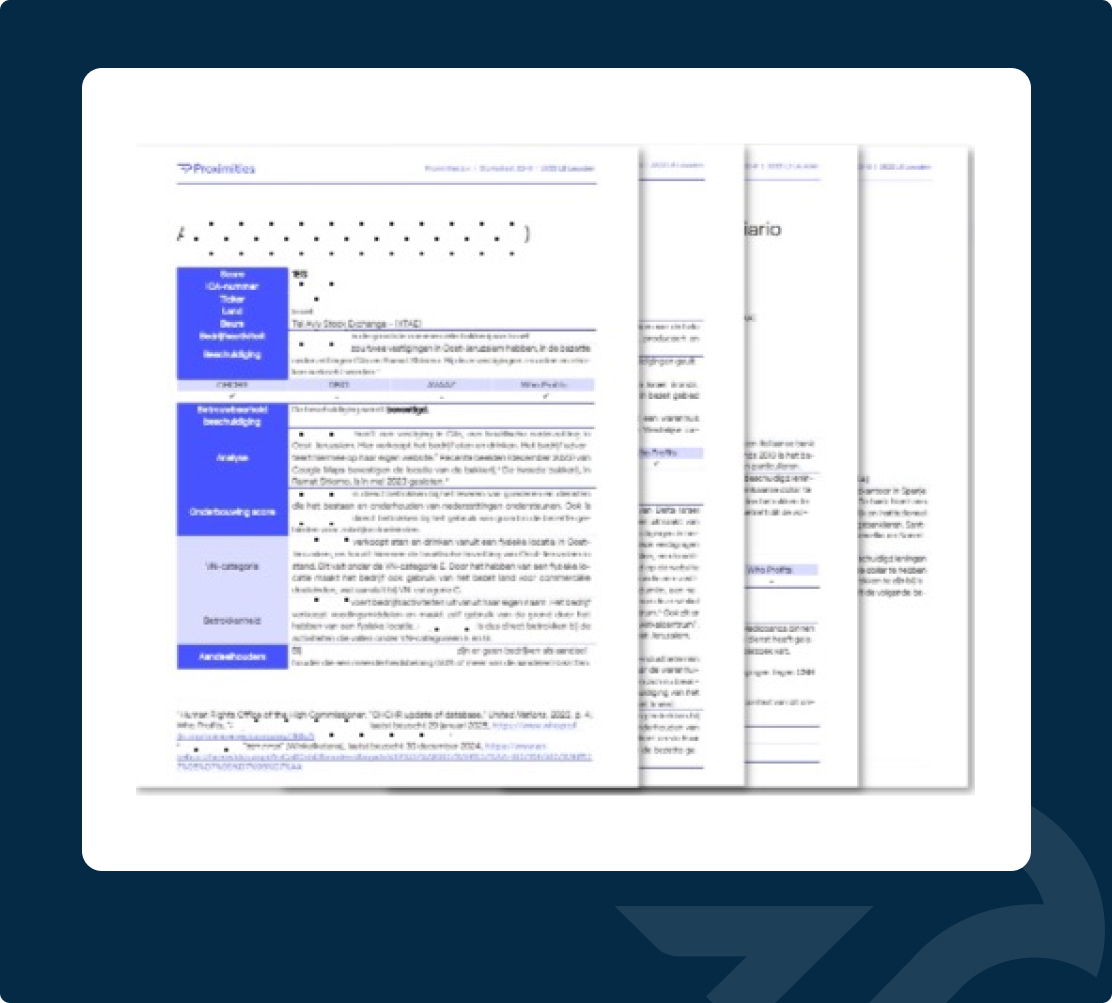
Due diligence reports
Fully substantiated, down to source level. A report for each allegation, with analysis, classification and source references.

Report
Report
Verdict and score
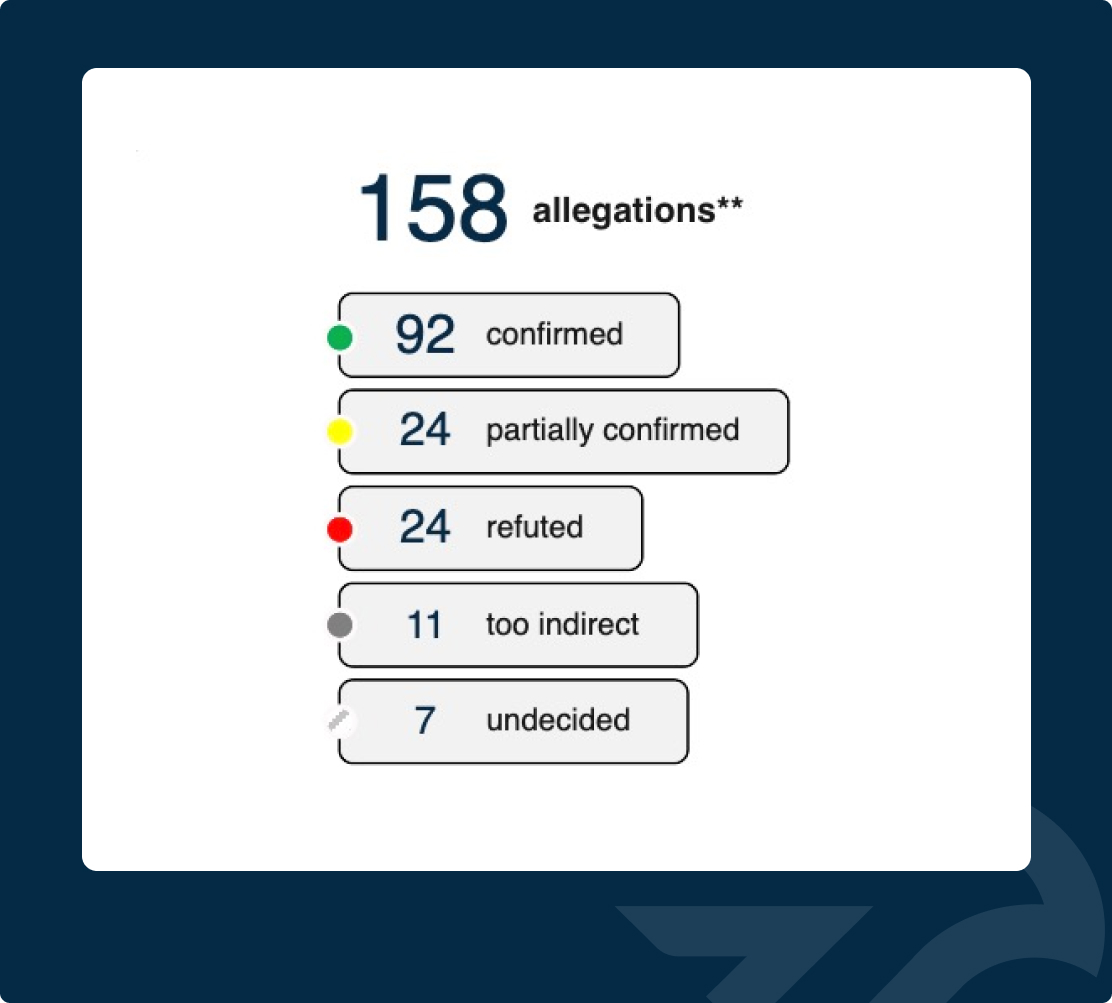
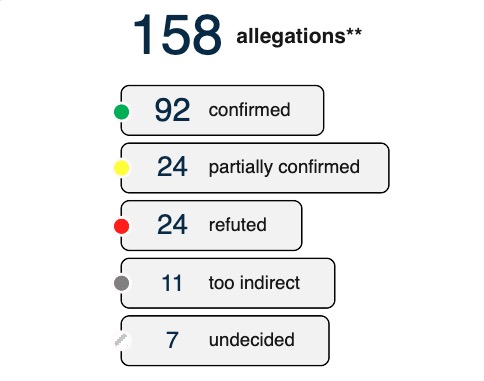
Clear, colour-coded, comparable. Every verdict — confirmed, partly confirmed or refuted — with a score on a scale of 1 to 8.
Briefing
Briefing
Annual update
Always current for your investment cycle. The database is updated every January. Bespoke research on request.




Pricing breakdown
Pricing based on scope
The price is set per module or per request, depending on the number of entities, the volume of allegations, the complexity and the quality of available open sources.
Scaled to size
Costs are aligned with the institution's assets invested in listed companies, so that research remains accessible regardless of the size of the organisation.
Partnership benefits
We offer discounts for multi-year contracts, bundled modules or pre-purchased packages, to reward long-term collaboration.
.png)

Frequently asked questions about Pulse
Yes. Every verdict is supported by a due diligence report that sets out the methodology, the evidence and the sources transparently, so that it can be followed by regulators and auditors.
Every allegation is assessed on its merits, against the sources, the corporate structure and the degree of involvement. The verdict is confirmed, partly confirmed or refuted, with a score from 1 to 8 and full source referencing in the underlying report.